5 Signs It’s Time for a Revenue Cycle Assessment
If any of these signs feel familiar, Maison Dexara can help you talk through what may be happening and what steps may come next.
-
![Maison Dexara Revenue Cycle Management Consultation Firm Recurring Denials]()
Recurring Denials
Recurring denials are more than a billing inconvenience. They can quietly wear down a practice’s momentum and confidence. Each denied claim represents time that was already spent and care that was already given, yet the return never arrives as it should. When denials begin to repeat themselves, they often point to a deeper issue that deserves attention. What looks like a routine setback on the surface may actually be a signal that revenue is slipping away in places no one has had time to fully see.
-
![Maison Dexara Revenue Cycle Management Consultation Firm Delayed Payment]()
Delayed Payments
Delayed payments can create a kind of financial pause that touches more than the balance sheet. Even when money is eventually expected, the waiting can place strain on daily operations and long-term planning. It becomes harder to move forward with certainty when today’s work is not supporting tomorrow’s needs. Over time, slow payment patterns can leave a practice feeling as though it is always catching up and never quite getting ahead. What should feel steady begins to feel uncertain, and that uncertainty can affect far more than numbers.
-
![Maison Dexara Revenue Cycle Management Consultation Firm Payer Concerns]()
Payer Concerns
Payer concerns often bring a unique kind of pressure because they can feel both technical and unpredictable. A request for records, a reimbursement concern, or a compliance issue can quickly shift the tone of the workday and create tension behind the scenes. These moments are not always just about one claim or one file. They can reveal vulnerabilities in process and communication that have been quietly building over time. When payer concerns keep surfacing, they deserve thoughtful review before they grow into something heavier and harder to manage.
-
![Maison Dexara Revenue Cycle Management Consultation Firm Workload]()
Workload Imbalance
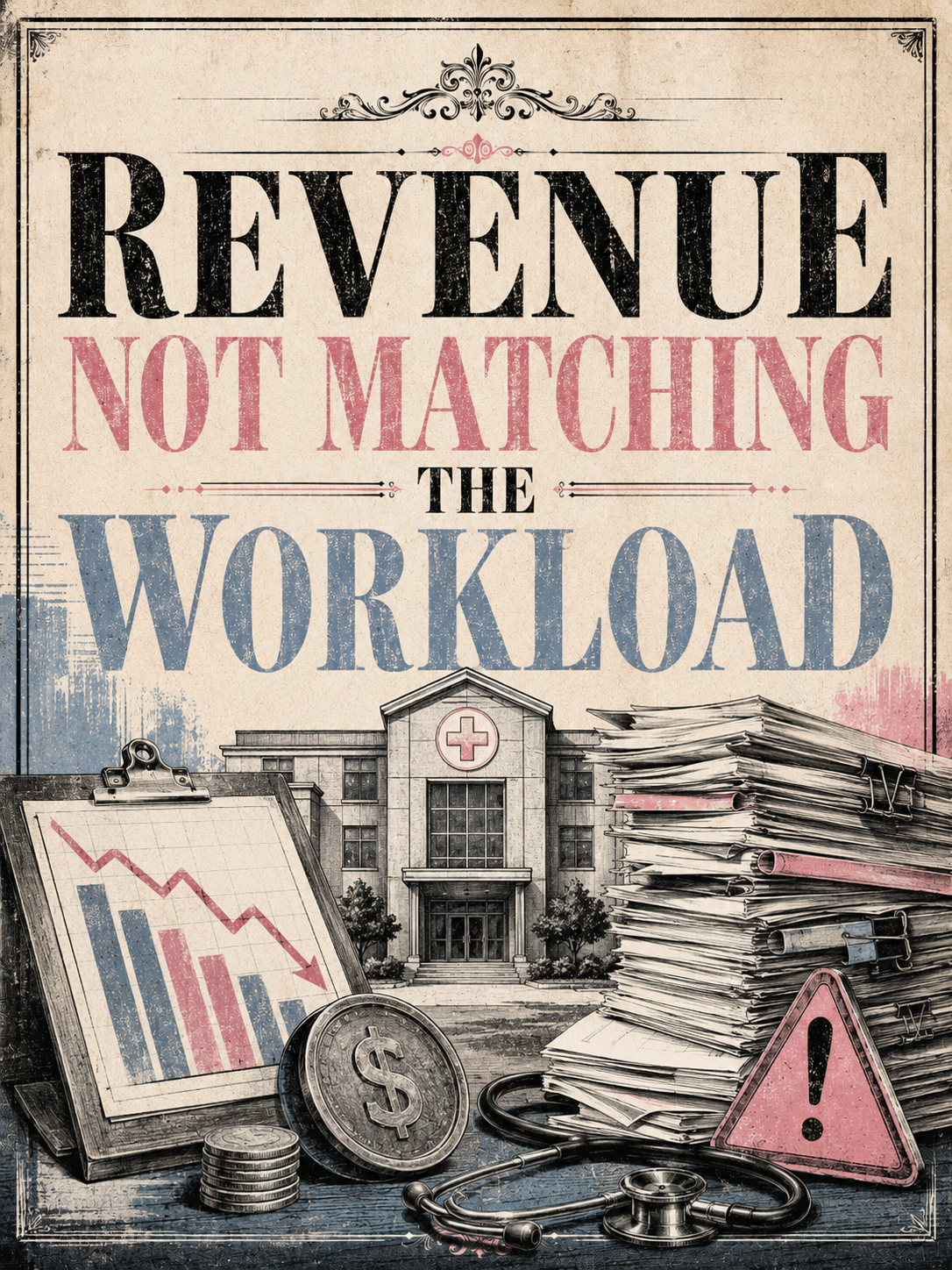
When revenue does not match the workload, the disconnect can feel especially discouraging. Teams may be working diligently and serving patients faithfully, yet the financial picture tells a different story. That kind of gap can leave leaders wondering how so much effort is producing so little return. It raises important questions about whether missed opportunities, process breakdowns, or hidden inefficiencies are standing in the way. A practice should be able to see the value of its work reflected in its revenue, and when it does not, that is often a sign that something important needs to be uncovered.
-
![Maison Dexara Revenue Cycle Management Consultation Firm Patient Billing]()
Patient Bill Confusion
Patient billing confusion can affect the relationship between provider and patient in ways that are easy to underestimate. When a patient does not understand what they owe or why they owe it, frustration often takes the place of trust. Questions become stress, and stress can become hesitation, avoidance, or dissatisfaction. A practice may be working hard to care for people well, yet confusing financial communication can leave patients feeling unsettled at the very moment they need clarity. Helping patients understand their bills is not just about collections. It is also about protecting the confidence they place in your care.here